
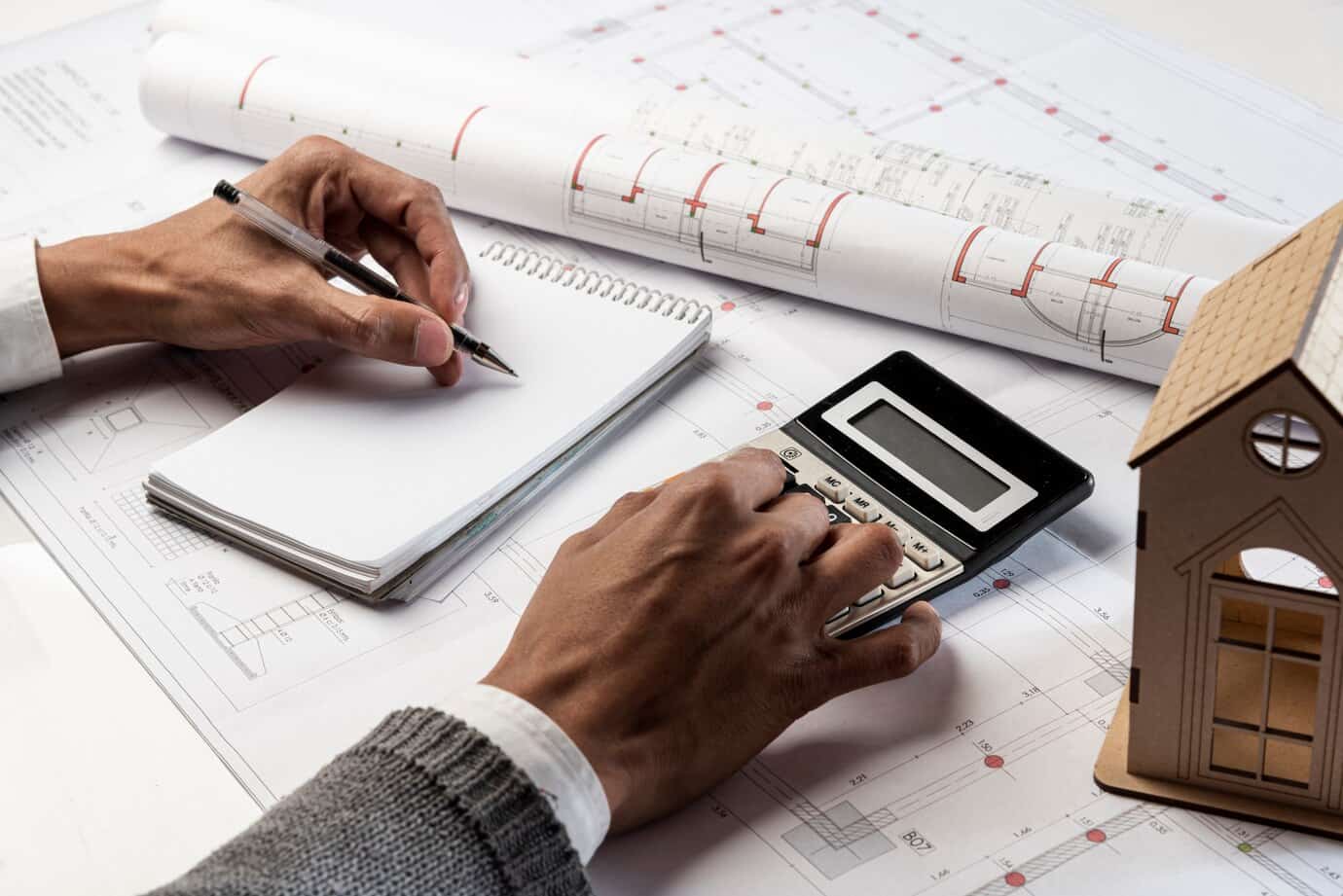
Building a house should be exciting, right ? But honestly, most people end up in a financial mess they didn’t see coming. I’ve watched too many projects go sideways because of the same budget mistakes, over and over. And the worst part ? These aren’t complicated errors. They’re just things nobody warns you about until it’s too late.
The thing is, once you start construction, money flows out fast. Like, really fast. And if you haven’t planned properly or if you’re relying on assumptions instead of real numbers, you’re basically gambling with your savings. Before signing anything, it makes sense to understand how construction financing actually works-resources like https://financement-pret-immobilier.net can help you get the full picture on what banks will actually fund and what they won’t.
So let’s talk about the 7 mistakes that wreck budgets. Not the obvious stuff, but the real traps.
1. Forgetting the “Invisible” 25-30% That Isn’t in the Builder’s Quote
Here’s what happens : you get a quote from your builder for $200,000. You think, okay, that’s my budget. Wrong. That quote almost never includes everything you actually need to finish the project.
What’s missing ? Usually the landscaping, the driveway, fencing, kitchen appliances, light fixtures, curtains, outdoor patio, septic system upgrades, well drilling if you’re rural. It adds up. Fast.
I’ve seen people budget $180,000 for construction and then realize they need another $50,000 just to make the house livable. That’s a 28% overshoot. And suddenly you’re scrambling for extra financing or cutting corners you shouldn’t cut.
Reality check : Add 25-30% on top of your builder’s base quote. That’s your real construction budget. Not fun to hear, but better now than six months into the build.
2. Using Vague “Per Square Foot” Estimates Without Context
Everyone loves those “$150 per square foot” numbers. Simple math, right ? But it’s basically meaningless without context.
A basic 1,500 sq ft ranch in rural areas might come in at $130/sq ft. A custom two-story with vaulted ceilings, high-end finishes, and complicated rooflines ? Try $220/sq ft or more. Same square footage, completely different budgets.
And here’s the thing that trips people up : per square foot prices vary wildly by region. Building in California or Colorado costs way more than building in rural Missouri. Labor rates alone can swing 40-50% depending on where you are.
The fix : Get actual quotes from local builders for projects similar to yours. Don’t trust national averages. They’ll mislead you every single time.
3. Not Having a Real Contingency Fund (Or Using a Fake 5% Buffer)
Okay, this one makes me crazy. People put aside 5% for “contingencies” and think they’re being responsible. That’s like bringing a umbrella to a hurricane.
Construction always has surprises. Always. You dig and find rock that needs blasting-add $8,000. The soil test comes back bad and you need deeper footings-add $12,000. Lumber prices spike mid-project-add $15,000. The HVAC unit you wanted is backordered so you upgrade-add $4,000.
Five percent doesn’t cover that. Not even close.
Real talk : You need 15-20% contingency minimum. And yeah, I know that sounds huge. But I’d rather you plan for 20% and not use it than plan for 5% and run out of money with the house half-finished. Because that happens, and it’s brutal.
4. Underestimating Site Prep and Foundation Costs
Nobody gets excited about dirt work. But it’s often where budgets explode.
If your lot has a slope, you’re paying for grading. If there’s rock, you’re paying for excavation. If drainage is poor, you need proper systems installed. If you’re on a tight urban lot, access is limited and everything costs more.
Foundation work is the same story. You might budget $25,000 based on what you read online, but if you need a full basement with waterproofing in clay soil, you could be looking at $50,000+. And you can’t skip this stuff or cheap out-it’s literally the foundation of your house.
I’ve seen projects go $30,000 over budget before the walls even go up. Just from site prep and foundation surprises.
What to do : Get a real site evaluation before you finalize your budget. Pay for soil testing. Pay for a survey. These aren’t optional expenses-they’re insurance against nasty surprises.
5. Picking Finishes With Your Heart, Not Your Budget
This is where things get emotional, and emotion kills budgets.
You walk into a showroom and fall in love with that $85/sq ft tile. Or those custom cabinets. Or the designer light fixtures. And you think, “Well, we’re building our dream home, we should get what we want.”
Sure. But when your finish selections run $60,000 over budget, suddenly you’re taking money from other critical areas or going deeper into debt.
Here’s the thing : finishes are where you have the most control. You can choose a $4/sq ft tile that looks great or a $12/sq ft tile that looks great. The difference in your budget ? Massive. But the difference in your daily life ? Pretty minimal, honestly.
My advice : Set a firm budget for finishes before you start shopping. Like, write it down. Then shop within that number. If you find something you love that’s over budget, you need to cut somewhere else to compensate. No exceptions.
6. Ignoring the True Cost of Construction Financing
Construction loans are not the same as regular mortgages. The interest structure is different, the draw schedule is different, and the fees are higher.
During construction, you’re paying interest on the amount already drawn, which increases every month. Then there are inspection fees, draw fees, origination fees. And if your project runs long (which, let’s be real, most do), you’re paying interest for extra months you didn’t plan for.
A lot of people budget for their final mortgage payment but forget that construction financing itself costs money. Maybe $5,000-$15,000 depending on your project size and timeline.
And if you have to bridge financing because you’re selling your current home ? Add another layer of costs and complexity.
Bottom line : Factor in all financing costs from day one. Talk to your lender about the real numbers, not just the final mortgage.
7. Not Planning for the “Move-In” Costs That Hit Right After Construction
Your house is done. Keys in hand. You’re excited. Then reality hits.
You need furniture. Your old couch doesn’t fit the new layout. You need window treatments for 15 windows. Your old appliances died, so you need new ones. The lawn is dirt and needs landscaping. You want a deck or patio to actually use the yard.
These aren’t construction costs, but they’re real costs that hit immediately. And if you spent every dollar on construction, you’re stuck living in an empty house eating takeout on folding chairs.
I’m not saying you need to buy everything at once, but you need to plan for at least the basics. Budget another $10,000-$25,000 for immediate post-construction expenses depending on your situation.
Smart move : Keep some savings separate from your construction budget. You’ll need it.
How to Actually Avoid These Mistakes
Look, construction is expensive and complicated. But going in blind is what kills budgets.
Here’s what actually works :
Get multiple detailed quotes. Not vague estimates-real line-item breakdowns. Compare them. Question the differences.
Build in real contingency. 15-20%, not 5%. Hide it from yourself if you have to.
Track every expense. Use a spreadsheet. Know where you are at all times. Waiting until month 6 to check your budget is a disaster.
Make decisions fast. Every delay costs money. Indecision is expensive.
Accept that you can’t have everything. Prioritize what matters most to you and compromise on the rest.
Construction doesn’t have to be a financial nightmare. But you need to go in with eyes open, realistic numbers, and a solid buffer for when things go sideways. Because they will. That’s just how building works.